
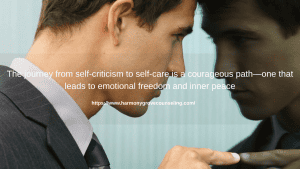
 Self-criticism can be a relentless inner voice—harsh, unforgiving, and deeply damaging. While it may stem from a desire to improve or protect ourselves, chronic self-criticism often leads to feelings of inadequacy, anxiety, and emotional paralysis. The good news is that we can transform this inner narrative. By shifting from self-criticism to self-care, we open the door to emotional freedom and begin a journey toward healing, self-acceptance, and peace.
Understanding the Impact of Self-Criticism
Many of us are conditioned to be our own worst critics. We internalize negative messages from early life experiences, social comparison, or cultural pressures. Over time, these internalized voices become default responses, judging our actions, appearance, and worth. While occasional self-evaluation can be healthy, persistent self-criticism erodes confidence and emotional well-being.
This inner judgment not only undermines our self-esteem but also triggers chronic stress. When we constantly berate ourselves, we reinforce feelings of failure, shame, and hopelessness, which can lead to anxiety, depression, and self-sabotaging behaviors.
The Shift Toward Self-Care
Self-care is more than just pampering or temporary relief—it is a fundamental commitment to nurturing our mental, emotional, and physical health. When we practice self-care, we replace judgment with compassion and begin to treat ourselves as we would a cherished friend.
Shifting from self-criticism to self-care requires intention and practice. It means recognizing our patterns, challenging negative beliefs, and making conscious choices to support our well-being. This transformation doesn’t happen overnight, but each step taken toward kindness and self-compassion moves us closer to emotional liberation.
Practical Steps to Embrace Self-Care
Here are several ways to begin the journey from self-criticism to self-care:
- Observe Your Inner Dialogue – Notice when your inner voice becomes critical. Ask yourself if you would say those same things to someone you love.
- Reframe Negative Thoughts – Challenge harsh thoughts with more compassionate alternatives. Instead of “I always mess up,” try “I’m learning and growing every day.”
- Set Healthy Boundaries – Protect your energy and emotional space. Saying no to what drains you is a powerful act of self-care.
- Engage in Meaningful Self-Care Practices – This can include rest, exercise, creative expression, or time in nature. Choose activities that restore your sense of calm and joy.
- Celebrate Your Efforts – Acknowledge your progress, no matter how small. Self-affirmation helps to build resilience and self-worth.
- Seek Support – Therapy, support groups, or trusted friends can provide guidance and encouragement as you work to change old patterns.
Conclusion
The journey from self-criticism to self-care is a courageous path—one that leads to emotional freedom and inner peace. When we choose to speak to ourselves with kindness, prioritize our needs, and honor our humanity, we begin to heal from within. Emotional freedom is not about perfection; it’s about embracing ourselves fully and living from a place of compassion, strength, and authenticity.